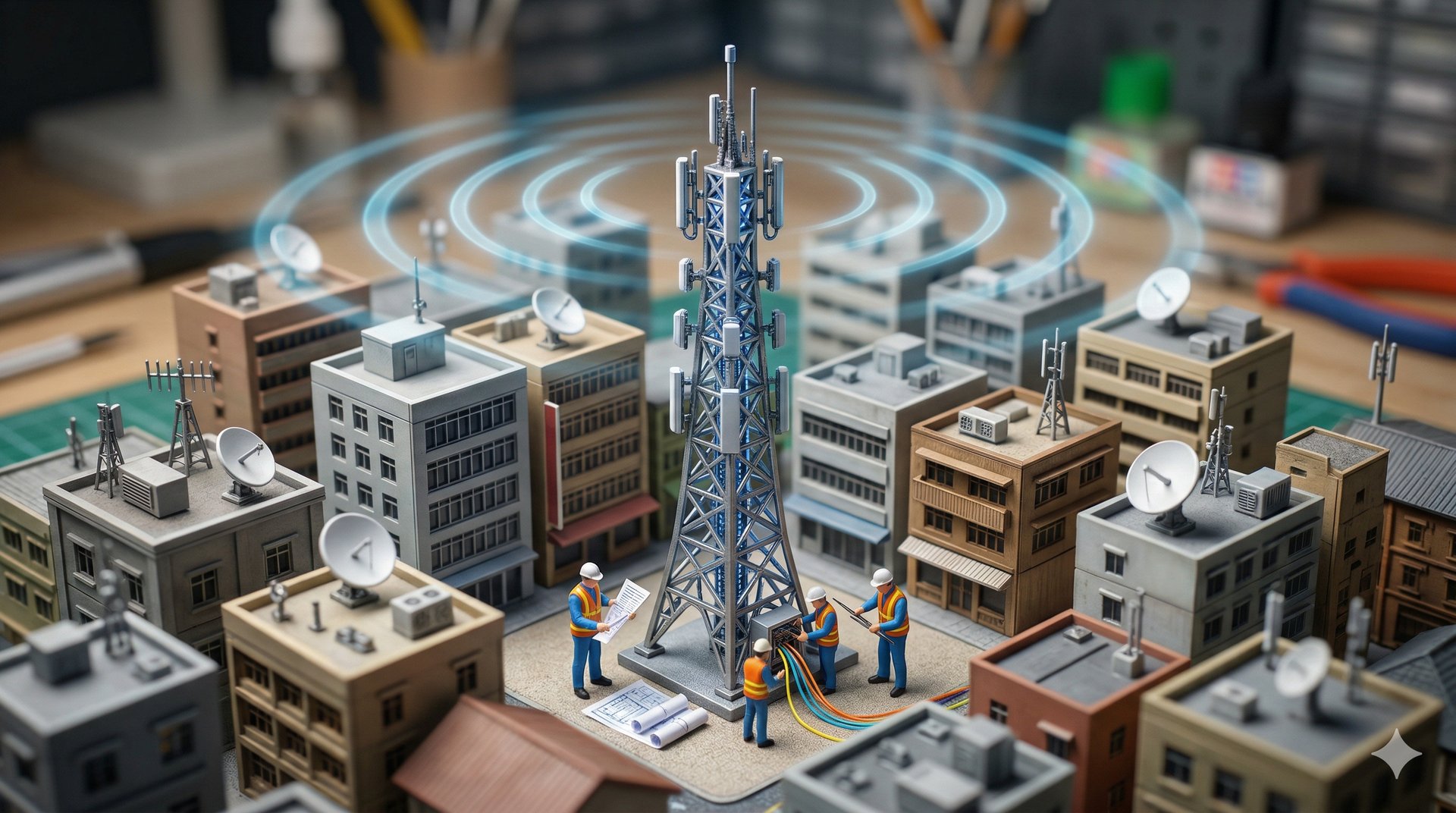
6G SEP Landscape Takes Shape——Ericsson, InterDigital, Nokia, Qualcomm Outline Value Creation in Next-Generation Standard
A new chapter in the standard essential patent (SEP) narrative is unfolding as major telecommunications infrastructure players map the intellectual property terrain for 6G deployment. Ericsson, InterDigital, Nokia, and Qualcomm have recently outlined their strategic positions and licensing expectations for 6G-related patents, signaling a shift in how SEP value creation will be structured compared to the 4G and 5G eras.
The 5G SEP ecosystem was characterized by centralized patent pools under standard-setting bodies (notably 3GPP) and complex FRAND (fair, reasonable, non-discriminatory) licensing negotiations. However, the emerging discourse around 6G suggests that SEP portfolio management is entering a more diversified phase, with patent value extending beyond traditional baseband and radio access technologies into adjacent domains.
These four companies have publicly affirmed the breadth and strategic importance of their respective 6G patent portfolios. Beyond core communication technologies, their disclosures indicate active patent development in edge computing, AI and machine learning integration, network security, and device architecture——domains that will become inseparable from 6G implementations. Qualcomm has particularly emphasized the role of application processor and chipset-level patents in 6G terminal implementation, positioning its portfolio as foundational to the entire ecosystem.
Government policy is shaping this landscape. The United States has recognized the national importance of SEP value in communications standards and is attempting to balance patent holder protections against the need for startup and emerging market access to standardized technologies. Europe is undertaking parallel reviews of FRAND implementation benchmarks, signaling a coordinated but not fully harmonized approach to SEP governance.
For practitioners, the 6G SEP environment differs fundamentally from its predecessors. Patent value creation will depend not solely on spectrum bandwidth or data rate contributions, but on integrated implementation across devices, networks, security architectures, privacy compliance, and international regulatory harmonization. Licensing negotiations will grow correspondingly more complex, requiring deeper technical and commercial due diligence from both licensors and licensees.
この記事について
パテント探偵社 編集部
知的財産の世界で起きている出来事を、ジャーナリズムの手法で報道・分析する独立メディア。特許番号・法的根拠・当事者名を正確に記述しながら、専門家以外にも読みやすい記事を届けています。掲載内容は法的アドバイスではありません。


コメント