Dyson’s Cyclone Patent: How 5,127 Prototypes Built an Intellectual Property Empire
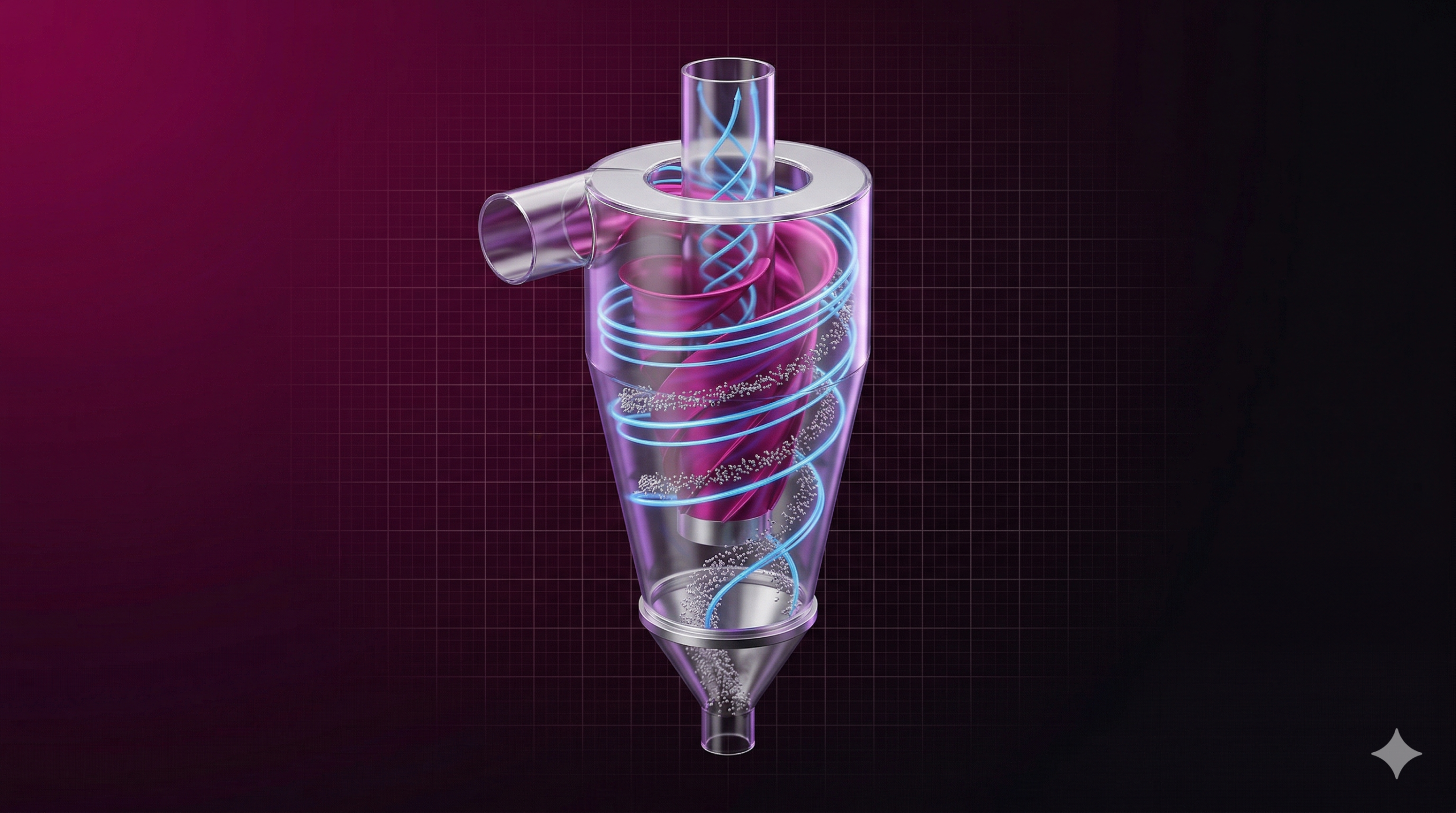
In the autumn of 1979, James Dyson, a British industrial designer, experienced an epiphany that would reshape global appliance manufacturing. He was observing a wood-sawing facility during a renovation project on his home when he witnessed a massive industrial cyclone—a centrifugal separation device that extracted fine dust from the air through rotational force. The principle was deceptively simple yet elegant. Within weeks, Dyson recognized what the vacuum cleaner industry had systematically overlooked for decades: that the centrifugal separation principle, already proven in industrial settings, could revolutionize domestic cleaning.
The vacuum cleaner market of 1979 operated on a fundamentally different economic model than the industrial equipment sector. The industry’s profitability depended entirely on the sale of disposable filter bags. A consumer purchased a vacuum cleaner once; that consumer then purchased replacement bags continuously for the appliance’s operational lifetime. This revenue model—spanning five to ten years of recurring consumable sales—had sustained vacuum manufacturers for generations. But this model concealed a technological vulnerability. If filter bags became unnecessary, the entire consumable-based profit structure would collapse. Dyson recognized both the technical opportunity and the commercial threat this represented.
From 1979 to 1984, in his private workshop, Dyson constructed 5,127 prototypes. This figure—precisely documented—represents not a marketing exaggeration but an engineering methodology. Each prototype incorporated incremental refinements, each iteration tested against increasingly demanding performance metrics. By conventional engineering standards, 500 prototypes would constitute exceptional thoroughness; Dyson’s iteration count exceeded industry norms by an order of magnitude. This obsessive refinement process established the technological foundation that would subsequently support two decades of market dominance and multiple patent-protected product categories. The 5,127 prototypes represented an investment in technical perfectionism that manifested juridically as an unassailable intellectual property position.
- The Industrial Insight: Cyclone Technology as Market Disruption
- The First Patent: EP0037674 and Early-Stage IP Protection
- Market Rejection and Strategic Isolation: The Manufacturer Response, 1980-1993
- The Path to Independence: Dyson Appliances Limited, 1991-1993
- The Hoover Litigation: IP Protection Enforced, 1999-2001
- Patent Portfolio Expansion: Digital Motors and Complementary Technologies
- The Cyclone Patent Expiration: 2013 and the Persistence Puzzle
- The Strategic Licensing Void: Ownership Without Delegation
- Strategic Design Patents and Trade Dress Protection
- The Research Infrastructure Evolution: Creating Institutional IP Generation Capability
- The Supersonic Hair Dryer: Patent Strategy in Adjacent Markets
- Trade Dress and Color Mark Strategy: Protecting Beyond Patent Expiration
- The China Challenge: Patent Expiration and Generic Proliferation
- Lessons in Strategic IP Management: From Patents to Organizational Dominance
- James Dyson’s Legacy: The Entrepreneur-Technologist IP Model
- The Dyson IP Strategy: Three Integrated Layers
- Comparative IP Architecture: Dyson, 3M, and Luxury Brand Models
- Genericism Risk and the Dyson Brand
- Modern Patent Developments: Portfolio Expansion Beyond Cyclone Fundamentals
- Conclusion: From 5,127 Prototypes to Perpetual Competitive Advantage
The Industrial Insight: Cyclone Technology as Market Disruption
The centrifugal separation principle Dyson observed operated through established physics. Rotating air at sufficiently high velocity creates centrifugal force that drives heavier particulates outward against container walls, separating them from the remaining air stream. Industrial facilities had implemented this principle for decades to remove sawdust, grain dust, and other coarse particulates. But applying the principle to household dust—which encompasses a vastly wider particle size distribution, from visible lint to submicron allergens—required far greater precision in design and execution.
Dyson’s critical insight transcended mere technological application. He recognized that the incumbent vacuum manufacturers—Hoover, Electrolux, Virginias, and others—would rationally resist any technology threatening their consumable-based business model. Presenting a bagless vacuum design to these manufacturers would meet systematic rejection. Their business interests aligned against disruptive technology, despite the technology’s evident superiority from a consumer utility perspective.
This recognition forced Dyson toward a counterintuitive strategic conclusion: patent the technology comprehensively, establish manufacturing capability independently, and challenge the incumbent industry through direct market competition rather than through licensure arrangements with existing manufacturers. This path required substantially greater capital investment, manufacturing expertise, and business risk than a simple licensing strategy would demand. But it preserved complete proprietary control over the technology’s implementation.
The First Patent: EP0037674 and Early-Stage IP Protection
In 1980, Dyson filed his initial patent applications across European jurisdictions. The foundational patent, European Patent EP0037674: “Vacuum Cleaning Appliances,” became the cornerstone of Dyson’s intellectual property architecture. The patent specification described, in rigorous technical detail, the dual-cyclone separation system—the core innovation distinguishing Dyson’s design from prior art.
The technical innovation encompassed two sequential cyclone stages. The primary cyclone, of larger diameter and lower efficiency, separated large and dense particulates (fibers, dust agglomerates, sand particles) through aggressive centrifugal force. Particulate-depleted air then entered a secondary cyclone of smaller diameter, higher rotational velocity, and greater separation precision, capturing fine dust particles (including allergens and microscopic debris) that escaped the primary stage.
This two-stage architecture solved a critical technical problem that simpler single-cyclone designs encountered: the mathematical trade-off between particle capture efficiency and airflow rate. A single cyclone optimized for capturing fine particles creates excessive air resistance and reduced suction power. A single cyclone optimized for airflow permits excessive fine-particle escape. Dyson’s dual-stage system decoupled these constraints, allocating the efficiency burden to the secondary cyclone while permitting the primary cyclone to prioritize bulk particulate separation and airflow maintenance.
A secondary technical innovation, equally critical to patentability, involved the geometric design of the secondary cyclone. The patent claims specified a tapered sidewall profile—wider at the upper aperture, narrowing toward the collection chamber. This geometry concentrated airflow velocity within an increasingly constrained space, amplifying centrifugal force applied to remaining fine particles. The tapered design represented a non-obvious optimization that competitors would not immediately recognize or replicate.
EP0037674 provided protection throughout the European Economic Area. Simultaneously, Dyson filed parallel applications in the United Kingdom (GB2171297A and related UK patents) and in the United States. The U.S. Patent 5,558,697: “Dual Cyclonic Vacuum Cleaner,” granted in the mid-1990s, became the corresponding U.S. protection for the same core technological advance.
Dyson’s multi-jurisdictional patent strategy reflected sophisticated understanding of international IP protection. A single European patent provided valuable but limited protection; U.S. and UK protection were necessary because manufacturing would eventually proceed in multiple jurisdictions, and market competition would occur across these regions. By securing parallel patents across major commercial jurisdictions, Dyson created an international enforcement network. Competitors manufacturing bagless cyclone vacuums in any major market faced potential infringement liability across multiple patent families simultaneously.
Market Rejection and Strategic Isolation: The Manufacturer Response, 1980-1993
Throughout the 1980s and early 1990s, Dyson actively pursued licensing arrangements with established vacuum manufacturers. His overtures targeted the dominant global corporations: Hoover (United Kingdom), Electrolux (Sweden and globally), Philips (Netherlands), and numerous smaller regional manufacturers. Each negotiation followed a similar trajectory: initial polite interest, technical evaluation, and systematic rejection.
The rejection pattern reflected rational economic calculation on the manufacturers’ part. The incumbent industry possessed billion-pound annual revenues deriving substantially from replacement filter bag sales. A Dyson license would require redesigning manufacturing facilities, retraining sales forces, and fundamentally restructuring sales channels—all to produce a product that eliminated the company’s most profitable revenue stream. No amount of technical elegance could overcome this structural conflict of interest. The manufacturers possessed every rational incentive to exclude Dyson’s technology from their product portfolios.
Dyson’s initial manufacturing approach involved outsourcing production to Japanese manufacturers. In 1983, he contracted with a Japanese firm to produce the first dual-cyclone models under the “G-Force” brand designation. These were manufactured for export to Japan and the UK, where Dyson attempted to build initial market presence in the absence of major manufacturer support. Sales remained modest. Without established distribution networks, retail presence, or consumer brand recognition, the G-Force variant remained a specialist product for the early-adopter segment.
The repeated licensing refusals, viewed in retrospect, represented a pivotal strategic inflection point. Had major manufacturers accepted Dyson’s licensing terms, he would have received royalty payments but retained no direct control over product quality, manufacturing standards, or market positioning. The manufacturers’ rejection forced Dyson to establish his own manufacturing capacity, develop his own distribution channels, and build a proprietary brand identity. This constraint, economically costly in the short term, created substantially greater long-term value than licensing would have yielded.
The Path to Independence: Dyson Appliances Limited, 1991-1993
In 1991, Dyson incorporated a legal entity registered as “Barleta Limited.” Two years later, in 1993, he formally established “Dyson Appliances Limited” with himself as founder and controlling stakeholder. The company began manufacturing operations in Wales, initially contracting with external facilities but progressively integrating manufacturing and assembly capabilities. The first production model, designated “DA 001,” entered the UK market in January 1993.
The timing was not coincidental. By 1993, Dyson’s core European patents had achieved substantive examination and appeared likely to grant within subsequent years. The patent portfolio, approaching grant, provided the legal foundation necessary to justify capital investment in manufacturing facilities and market development. Without patent protection, manufacturing investment would be commercially irrational—competitors could immediately replicate the design and compete on price alone.
The 1993 market entry occurred in an industry still dominated by filter-bag-based incumbents. Dyson’s positioning emphasized a single, unambiguous consumer benefit: “No bags. No declining suction. No compromise.” This messaging attacked the fundamental weakness in the incumbent technology—the inevitable suction degradation as filter bags accumulated dust. The DA 001 priced substantially above existing filter-bag models (roughly double the price of comparable Hoover or Electrolux equivalents), yet promised elimination of the consumable cost burden and permanent suction maintenance.
Consumer response, initially cautious, progressed toward enthusiasm. Within the first operational year, Dyson’s market share in the UK’s upright vacuum category reached 5 percent—modest in absolute terms, but astonishing given the company’s complete absence of historical brand recognition or retail distribution infrastructure. Within a decade, Dyson had captured 47 percent of the UK upright vacuum market, effectively displacing century-old incumbents from their historical market dominance.
This extraordinary market penetration depended entirely on patent protection. The competing manufacturers, observing Dyson’s commercial success, immediately examined his patented technology for infringement and attempted design-around strategies. The breadth of Dyson’s patent claims, and the multi-stage patent portfolio extending across multiple jurisdictions, proved substantially more protective than competitors anticipated. The patent shield enabled Dyson to maintain manufacturing exclusivity during the critical market-development phase.
The Hoover Litigation: IP Protection Enforced, 1999-2001
By the late 1990s, Dyson’s dominance had attracted competitive responses. The most direct challenge emerged from Hoover, the UK’s most established incumbent, which introduced the “Triple Vortex” model—explicitly marketed as a dual-cyclone design competing directly with Dyson’s technology. The product name itself—”Triple Vortex”—referenced the underlying cyclonic mechanism and clearly signaled competitive intent.
In 1999, Dyson initiated patent infringement litigation against Hoover Limited in the British High Court. The legal action focused on whether the Triple Vortex design infringed the claim scope of European Patent EP0042723 and parallel UK patent protections. The litigation proved protracted, extending through initial proceedings, preliminary rulings, and final judgment across multiple years.
The High Court’s ruling, rendered in 2001, concluded that Hoover’s Triple Vortex design did indeed infringe Dyson’s patent claims. The court enjoined Hoover from continued manufacturing of the infringing design. This judgment constituted a definitive legal victory establishing the enforceability of Dyson’s patent portfolio against direct technological competitors. Beyond the specific Hoover matter, the judgment sent a strategic signal throughout the appliance industry: attempting to circumvent Dyson’s patent protection through design modifications would require substantially more sophisticated approaches than superficial feature variation.
The litigation also reinforced a critical IP principle: patent validity differs from patent enforceability. Hoover could have challenged the patents’ underlying validity—arguing to the court that the patented technology lacked novelty or non-obviousness and should never have been granted. The company elected not to mount such a challenge, likely recognizing the strength of Dyson’s prior disclosure of the cyclone principle and the accumulated prior art’s failure to anticipate Dyson’s specific dual-stage implementation. The court’s enforcement of the patents therefore constituted simultaneous validation of their validity and their scope.
Patent Portfolio Expansion: Digital Motors and Complementary Technologies
Parallel to the cyclone vacuum business development, Dyson systematically expanded his intellectual property portfolio into related technology domains. The most significant expansion involved brushless electric motor technology, ultimately deployed across vacuum cleaners, hair dryers, hand dryers, and air purification systems.
The brushless DC motor represented a technological opportunity distinct from the cyclone mechanism itself. Traditional electric motors in household appliances employed carbon brushes that transferred current to rotating windings. This approach imposed fundamental limitations: brush wear required periodic replacement, brush contact created electrical noise and heat, and rotational speed control was mechanistically constrained. Brushless motors eliminate the brush-based commutation entirely, using electronic controllers to manage current delivery to fixed windings, achieving higher rotational speeds, greater efficiency, and extended operational lifespans.
Dyson’s motor patent family encompassed multiple technical claims operating at different levels of abstraction. Fundamental patents protected the basic brushless control methodology and high-frequency operation principles. Implementation patents protected specific motor configurations for particular applications (upright vacuums, cordless handheld models, hair dryers). Thermal management patents addressed the challenge of dissipating heat generated by motors operating at extreme rotational speeds—Dyson models achieved rotational frequencies exceeding 100,000 revolutions per minute, generating substantial thermal loads requiring novel cooling approaches.
This patent layering strategy replicated the principle evident in 3M’s Post-it Notes approach: protect the same core innovation through multiple patents operating at different abstraction levels. If competitors circumvented a fundamental principle patent through alternative implementation approaches, complementary patents at the application level would potentially capture the circumvention. This portfolio depth transformed intellectual property protection from a vulnerability (single patent, single circumvention) into a multi-layered defensive architecture.
The Cyclone Patent Expiration: 2013 and the Persistence Puzzle
Patent protection extends for twenty years from the filing date under most international patent systems. Dyson’s foundational cyclone patents, filed in 1980, expired in 2000 for some jurisdictions and progressed through the early 2000s in others. The core product-form patents protecting dual-cyclone implementation expired by approximately 2013 globally. This expiration timeline meant that by 2014, Dyson’s competitors faced no legal prohibition against manufacturing dual-cyclone bagless vacuum cleaners.
From a conventional patent economics perspective, this expiration should have triggered rapid market share erosion and competitive price pressure. Patent expiration typically initiates aggressive price competition from generic competitors. Yet Dyson’s market dominance persisted. Decades after patent expiration, Dyson maintained approximately 25-30 percent global market share in the premium vacuum category and dominated the cordless handheld segment at even higher share levels. This persistence despite patent expiration mirrors the Post-it Notes phenomenon: why does a product maintain market dominance after patent-based exclusion ends?
The explanation encompasses multiple reinforcing factors, none of which rely on patent protection:
First: Brand Equity and Quality Signaling
Dyson had invested two decades in building brand association with premium quality, technological innovation, and design sophistication. The Dyson brand signaled to consumers that a vacuum represented the technological frontier, engineered for performance rather than cost minimization. This brand identity, accumulated through consistent marketing and product quality, functioned as a quality certification. Generic manufacturers offering chemically equivalent cyclone vacuums at lower price points lacked equivalent brand recognition. Consumers purchasing generic cyclone vacuums accepted price discounts in exchange for diminished quality assurance.
Second: Product Portfolio Expansion and Ecosystem Lock-In
Beyond the foundational upright cyclone vacuum, Dyson systematically expanded the product portfolio: cordless handheld models, robotic vacuum platforms, air purifiers featuring Dyson technology, digital motors across multiple form factors, hair dryers (the “Supersonic” line), hand dryers (“Airblade”), and eventually humidifiers and other appliances. This ecosystem expansion created organizational switching costs. Once a consumer adopted Dyson cordless vacuums, purchased replacement batteries compatible with the Dyson ecosystem, and became habituated to the product’s particular ergonomics and performance characteristics, substituting to a competitor’s single cyclone model represented substantial friction. The portfolio breadth created dependencies that pricing alone could not overcome.
Third: Continuous Technological Innovation Beyond Cyclone Fundamentals
Rather than resting on the laurels of cyclone technology, Dyson invested continuously in adjacent innovations. The brushless motor technology represented a substantial step forward, enabling motor speeds and efficiency unattainable with brush-based designs. Cordless battery technology, initially a constraint, progressively improved through lithium-ion refinements, extending runtime and reducing charging time. Filter technology evolved from simple mesh designs to advanced air-separation methodologies. Each innovation extended Dyson’s technological advantage beyond the foundational cyclone principle, creating new patent protection opportunities. Even as foundational patents expired, newer patents on motor technology, battery systems, and advanced filtering continued protecting proprietary advantages.
Fourth: Distribution and Retail Dominance
Dyson had established the most comprehensive distribution network across premium retail channels globally. The product commanded premium shelf positioning in major retailers, online marketplaces (where Dyson products enjoyed prominent search placement through paid search and marketplace algorithms favoring established brands), and specialty appliance stores. Competitors attempting to distribute generic cyclone vacuums faced retail access constraints. The incumbent distribution advantage, while not legally protected, operated as a formidable competitive barrier.
Fifth: Organizational Vertical Integration and Manufacturing Control
Rather than licensing the cyclone technology widely, Dyson maintained comprehensive manufacturing control. Manufacturing facilities, supply chain relationships, assembly capabilities, quality control processes, and logistics networks remained vertically integrated under Dyson’s direct management. This vertical integration imposed scale limitations relative to competitors with access to distributed manufacturing networks, yet ensured that quality standards remained consistent and proprietary manufacturing processes remained confidential. Competitors seeking to manufacture competing cyclone designs faced substantially higher barriers to achieving equivalent manufacturing quality than licensing from established manufacturers would provide.
The Strategic Licensing Void: Ownership Without Delegation
A striking feature of Dyson’s intellectual property strategy distinguishes it from other dominant brands’ approaches: the systematic rejection of licensing arrangements. 3M, by contrast, licensed Post-it technology to multiple partners in certain markets and applications. Dyson adopted the opposite approach: preserve absolute manufacturing and distribution control, delegate neither production nor market engagement to external partners.
This strategy reflected founder James Dyson’s philosophical conviction regarding proprietary technology. Having invested 5,127 prototypes in achieving technological perfectionism, he viewed delegation of manufacturing to external licensees as unacceptable risk. A licensee prioritizing cost reduction might compromise materials or manufacturing precision. A licensee pursuing market differentiation might introduce design modifications incompatible with Dyson’s engineering standards. The quality degradation resulting from licensing would diminish Dyson brand value more substantially than the licensee’s profit contribution could offset.
This vertical integration strategy imposed operational costs. Licensing technology to manufacturers with existing scale and distribution capability would enable rapid market penetration and substantial royalty revenues. Vertical integration required Dyson to build manufacturing and distribution capabilities from scratch, competing directly with entrenched incumbents possessing vastly greater organizational resources. The capital requirements were substantial; the organizational complexity was severe.
Yet this apparent strategic inefficiency produced superior long-term outcomes. By maintaining complete manufacturing and distribution control, Dyson preserved design integrity, quality consistency, and brand positioning. The premium price positioning Dyson achieved depended partly on perceived engineering excellence and design sophistication; these attributes would deteriorate if manufacturing were delegated to cost-focused licensees. The financial success of the premium positioning—commanding roughly double the retail price of competing cyclone models—more than compensated for the operational inefficiency of non-optimal scale.
Strategic Design Patents and Trade Dress Protection
Beyond utility patents protecting functional technology, Dyson’s intellectual property strategy encompassed design patent protection for the distinctive visual appearance of products. Design patents, distinct from utility patents, protect the ornamental appearance of manufactured articles without protecting functional features. A design patent might protect the distinctive shape of a vacuum’s collection chamber or the aesthetic form of a motor housing, even if functionally equivalent alternative designs existed.
Dyson’s design patent portfolio across jurisdictions reflected the distinctive visual characteristics that differentiated Dyson products from competitors: the cylindrical transparent collection chamber permitting visible dust accumulation observation, the distinctive color palette (typically silver and fuchsia), the ergonomic handle configurations, and the overall aesthetic integration. Individual design patents granted protection for periods of 10-15 years (depending on jurisdiction), substantially shorter than utility patent terms. Yet the continuous pursuit of design patent protection for new product variants created a rolling portfolio providing near-perpetual design-level protection.
Additionally, Dyson’s distinctive product appearance qualified as “trade dress” under trademark law in most jurisdictions. Trade dress protection covers the overall visual appearance and trade-related characteristics of products, distinct from the trademark name itself. Even if competitors manufactured functionally equivalent cyclone vacuums, designing them with substantially similar visual appearance could constitute trade dress infringement. This created pressure on competitors to design visually distinctive alternatives, reducing the likelihood that generic competitors would simply replicate Dyson’s design in non-proprietary visual form.
The Research Infrastructure Evolution: Creating Institutional IP Generation Capability
Beginning in the 2000s, and accelerating through the 2010s and 2020s, Dyson systematically invested in research and development infrastructure. The company established dedicated technology research centers in multiple geographies: the UK remained the headquarters for fundamental research, Asia (particularly Japan, where Dyson opened a significant R&D center in 2012) became a hub for applied research and product development in high-growth markets, and the United States hosted research initiatives focused on regulatory compliance and market-specific innovations.
This geographic distribution of research capability served multiple strategic purposes. First, it generated a continuous pipeline of new patentable inventions across multiple technology domains. Rather than relying on a single foundational patent (cyclone technology), Dyson created institutional capacity to generate new patents in adjacent fields: motor technology, battery management, filter design, control systems, user interface technologies, IoT connectivity, and machine learning applications to vacuum operation optimization.
Second, the distributed research infrastructure created multiple patentable assets spanning multiple jurisdictions and technology domains. Patent expiration in one technology (cyclone fundamentals in 2013) did not create organizational vulnerability because other technology patents (motors, batteries, advanced filtering) remained active and enforceable, protecting ongoing innovations.
Third, maintaining active research and patent generation provided organizational legitimacy for continued premium pricing. Dyson’s marketing positioning emphasized “advanced engineering” and “cutting-edge innovation.” This positioning required visible evidence of technological advancement. A patent portfolio expanding across multiple technology domains provided evidence that Dyson remained at the technological frontier, justifying premium pricing even after foundational cyclone patents expired.
The Supersonic Hair Dryer: Patent Strategy in Adjacent Markets
In 2016, Dyson introduced the Supersonic, a premium hair dryer incorporating brushless motor technology and advanced temperature control. The product appeared to represent a diversification away from vacuum cleaners; in intellectual property terms, it represented sophisticated patent strategy across a new product category.
The Supersonic captured decades of Dyson’s motor patent development. The hair dryer required high-speed motor operation (achieving quiet operation through frequency modulation rather than mechanical silencing), rapid heat generation and control (requiring sophisticated thermal management), and miniaturization of motor components for ergonomic handheld configuration. The brushless motor patents originally developed for vacuum applications directly applied to hair dryer engineering.
U.S. Patent 9,743,814, “Hand Dryer,” and parallel patents across jurisdictions protected the specific hair dryer implementation. The patent portfolio extended across motor control systems, heating element architecture, temperature sensing, airflow management, and the distinctive ring-shaped motor housing that became the Supersonic’s visual signature.
The Supersonic’s commercial success exceeded initial expectations. The product achieved premium pricing (£299 in UK markets, approximately $400 in US markets), commanding roughly four times the price of conventional premium hair dryers from established beauty appliance manufacturers. Consumer reception revealed that Dyson’s brand equity—accumulated through vacuum cleaner dominance—successfully transferred to adjacent product categories. The brand’s association with technological innovation and premium engineering proved product-category agnostic.
More significantly, the Supersonic exemplified patent strategy applicable beyond the original innovation. By deploying motor patents originally developed in one product category (vacuums) into adjacent categories (hair dryers, hand dryers, air purifiers), Dyson extended the commercial value of its patent portfolio. A single patent protecting a motor design or control system potentially generated royalties (if licensed) or proprietary advantage (if used internally) across multiple revenue-generating product categories. This amplified the return on research investment required to develop the patent.
Trade Dress and Color Mark Strategy: Protecting Beyond Patent Expiration
As core cyclone patents approached expiration in the early 2010s, Dyson initiated a systematic trademark and trade dress protection campaign, paralleling 3M’s strategy with Post-it Notes. The strategy encompassed multiple elements:
The iconic “Dyson Silver and Fuchsia” color palette became subject to trademark registration and aggressive protection efforts. Dyson argued that consumers had come to associate the distinctive silver-and-fuchsia appearance with Dyson brand products and perceived it as a source identifier indicating Dyson manufacture. Registering specific colors as trademarks—a legal innovation developed primarily by luxury brands—extended trademark protection to product appearance characteristics transcending the brand name itself.
The distinctive transparent collection chamber also became subject to trade dress protection arguments. Dyson contended that the visual appearance of the large transparent dust collection container had become associated with Dyson products and served a source-identifying function. The transparent chamber’s distinctive industrial aesthetic differentiated Dyson vacuums from competitors’ designs, which typically employed opaque containers.
These trademark and trade dress strategies operated as complementary protection to expiring utility patents. Once cyclone patents expired in 2013, competitors faced no legal barrier to manufacturing dual-cyclone vacuums. However, if those competitors manufactured vacuums with silver-and-fuchsia coloring and transparent collection chambers, they faced potential trademark and trade dress infringement liability. This forced competitors toward color palettes (black, gray, blue, etc.) and design characteristics (opaque containers) visually distinct from Dyson’s trade-marked appearance. The legal constraint did not prevent product competition but deflected competition toward product differentiation rather than direct visual replication.
The China Challenge: Patent Expiration and Generic Proliferation
Beginning approximately 2014-2015, as patent protection eroded globally, Chinese appliance manufacturers began producing dual-cyclone vacuums and hair dryers directly derivative of Dyson designs. Patent protection in China, historically weaker than in Western jurisdictions, had already limited Dyson’s enforcement capacity. As Western patents expired, the enforcement barriers diminished further.
Numerous Chinese manufacturers introduced products functionally identical to Dyson models at price points 40-60 percent below Dyson’s premium pricing. Products bearing names semantically similar to “Dyson” (though avoiding direct trademark infringement through phonetic or stylistic variation) proliferated across Chinese e-commerce platforms. Many incorporated design elements clearly derivative of Dyson’s signature appearance, though modified to avoid direct trade dress infringement.
Yet Dyson’s global market dominance persisted despite this competitive pressure. The brand’s premium positioning in Western markets, supported by established retail distribution and consumer brand recognition, proved resistant to price-based competition from Chinese generic alternatives. Consumers in developed markets continued purchasing Dyson products despite price-competitive alternatives becoming technically available.
This pattern—dominant brands maintaining position despite patent expiration and generic competition—reflects organizational capabilities extending beyond intellectual property protection: distribution superiority, brand loyalty, quality assurance, and consumer confidence in product reliability. Intellectual property protection provides essential protection during the early market development phase. But as markets mature, organizational and brand-based competitive advantages often prove more durable than legal protection.
Lessons in Strategic IP Management: From Patents to Organizational Dominance
The Dyson case illustrates multiple principles applicable to intellectual property strategy in knowledge-intensive industries:
Lesson One: Patent Portfolio Layering Increases Defensibility
Rather than defending a single cyclone patent, Dyson created overlapping patents protecting formulation, design variations, manufacturing processes, application methodologies, and related innovations. This portfolio depth transformed infringement avoidance from a technical challenge (single design-around) into a legal barrier (multiple simultaneous patent claims to circumvent). Competitors facing a “patent thicket” confront substantially higher barriers to market entry than facing a single patent.
Lesson Two: Licensing Rejection Can Paradoxically Create Greater Value
The major manufacturers’ refusal to license Dyson’s technology, economically damaging in the short term, forced Dyson toward vertical integration and independent business development. This constraint created brand equity, organizational capability, distribution advantages, and quality control superiority that licensing would never have generated. The path of greatest resistance proved the path of greatest long-term value creation.
Lesson Three: Shift From Patent to Brand and Trademark Protection Before Expiration
IP strategy should evolve as patents approach expiration. Trademarks, trade dress, design patents, and brand equity provide protection mechanisms extending beyond utility patent terms. Dyson’s deliberate development of trade dress protection and color mark strategy in the 2000s, preceding 2013 patent expiration, created continuity in legal protection as foundational patents expired.
Lesson Four: Extend Patent Portfolio Value Across Product Categories
Motor patents developed for vacuum cleaners captured equivalent value when applied to hair dryers, hand dryers, and air purifiers. Extending patent applicability across product categories amplifies the return on research investment and creates barriers to competition across multiple markets simultaneously.
Lesson Five: Premium Positioning Depends on Perceived Innovation Leadership
Dyson’s ability to maintain 2-4x price premiums relative to competing cyclone products depended on consumer perception of technological leadership. Continuous investment in research, visible patent generation, and marketing emphasis on engineering excellence sustained this perception. Once patent-based exclusivity ended, perception of ongoing innovation became the primary competitive advantage protecting premium positioning.
Lesson Six: Vertical Integration Provides Quality and Brand Control Unattainable Through Licensing
The decision to maintain complete manufacturing and distribution control, rather than licensing to established manufacturers, preserved quality standards and design integrity. The financial disadvantage of foregone scale economies was more than offset by the brand-positioning and quality-assurance advantages of vertical integration.
James Dyson’s Legacy: The Entrepreneur-Technologist IP Model
James Dyson’s career trajectory diverges substantially from the conventional “scientist-employee” model illustrated by Spencer Silver or Arthur Fry at 3M. Rather than remaining within a large organization’s research environment, Dyson established independent control of his technology through entrepreneurial business development. This independent control required substantially greater financial risk and organizational burden than employment within a corporation would entail. Yet it enabled Dyson to capture the full economic value of his innovation, constrained only by his own capital and organizational limitations rather than by corporate governance structures.
Dyson’s approach illustrates a critical principle: technological innovation and business leadership are distinct capabilities. The scientist or engineer who conceives a technology possesses valuable expertise but may lack the business acumen required for commercialization. Conversely, business leaders who identify market opportunities may lack deep technical knowledge. The optimal path depends on individual capabilities. Dyson possessed both—technical expertise sufficient to drive product refinement and business instinct sufficient to navigate market development independently. This combination is rare, and its rarity explains why most innovations follow the traditional “scientist developing technology within corporate structure” model.
Dyson’s succession planning, however, represents a strategic evolution. By 2024, the business had professionalized substantially, with management teams distinct from Dyson’s personal involvement in many operational decisions. The company’s research and development infrastructure, initially centered on Dyson’s personal involvement, had become institutionalized. This evolution from founder-driven business to professionally managed corporation represents a necessary transition as organizations scale beyond the operational capacity of founding entrepreneurs.
The Dyson IP Strategy: Three Integrated Layers
The complete Dyson intellectual property strategy operates through three distinct but reinforcing layers:
Layer One: Technical Superiority Through Iterative Innovation
The 5,127 prototypes represented an investment in technical perfectionism that produced a product demonstrably superior in functionality and user experience to incumbent alternatives. This technical superiority was not theoretical but empirically demonstrable through comparative testing. Superior technical performance commanded consumer preference independent of legal IP protection.
Layer Two: Legal Protection Infrastructure
EP0037674, US5,558,697, and subsequent patents in motors, filtering, control systems, and design protected specific technical implementations. This legal protection prevented direct competitive replication and forced competitors toward design-around strategies or licensing arrangements. The patent portfolio’s breadth and depth increased the cost and complexity of competitive circumvention substantially.
Layer Three: Brand Equity and Organizational Capability
Beyond technical and legal protection, Dyson built brand equity identifying the company with technological innovation and premium quality. Distribution networks, manufacturing expertise, supply chain relationships, and organizational culture oriented toward continuous improvement created organizational capabilities difficult for competitors to replicate. These organizational advantages persisted unchanged after patent expiration in 2013.
These three layers evolved over time. In the 1980s and 1990s, Layer Two (legal protection) dominated competitive strategy. Patent enforcement against Hoover (1999-2001) exemplified this phase. As patents approached expiration (2000s), Layer Three (brand and organizational capability) received increased strategic emphasis. By 2014, following patent expiration, Layer Three had become the primary competitive advantage sustaining Dyson’s market dominance.
Comparative IP Architecture: Dyson, 3M, and Luxury Brand Models
The Dyson case parallels patterns evident in successful IP-intensive companies operating across distinct industries. 3M’s Post-it Notes strategy, as examined in previous analysis, followed an analogous evolution: patent-based protection in early stages, trademark and brand elevation as patents approached expiration, organizational and portfolio-based competitive advantage in the post-patent era.
Luxury brands like Louis Vuitton have pursued parallel strategies. Vuitton’s monogram pattern began as a decorative design element in the 19th century but evolved into a trademark and trade dress icon by the 20th century. As design patents expired, trademark protection intensified. Contemporary Vuitton goods face direct competition from counterfeit products manufactured identically to the originals (in function and appearance) but lacking trademark authorization. The trademark remains the primary enforcement mechanism protecting premium brand positioning.
This pattern suggests a general principle: successful long-term competitive strategy evolves from product-level IP (patents protecting specific innovations) through brand-level IP (trademarks protecting brand identity) toward organizational-level competitive advantage (distribution, quality perception, brand loyalty). The most durable competitive positions operate across all three levels simultaneously.
Genericism Risk and the Dyson Brand
The most significant remaining legal threat to Dyson’s IP protection would be genericization of the trademark. If “dyson” became synonymous in common usage with “bagless cyclone vacuum” (analogous to “kleenex” or “band-aid” in certain regional contexts), the trademark would become vulnerable to cancellation on grounds of genericization.
Dyson has invested in preventing this outcome through trademark enforcement and brand management similar to 3M’s efforts with Post-it Notes. The company maintains explicit trademark usage guidelines, emphasizing that “Dyson” refers to the brand and manufacturer, not to the product category itself. Marketing materials consistently distinguish between “Dyson vacuums” (specific branded products) and “bagless cyclone vacuums” (generic product category). Enforcement against unauthorized trademark use—including against competitors’ use of confusingly similar marks—has remained vigilant.
This effort has been substantially successful in Western markets, where “Dyson” remains recognizable as a brand identifier rather than a generic category descriptor. In developing markets, particularly Asia, the situation remains less stable, with the “Dyson” designation sometimes functioning generically in informal usage. Maintaining trademark distinctiveness requires continuous effort and cannot be delegated to passive monitoring.
Modern Patent Developments: Portfolio Expansion Beyond Cyclone Fundamentals
By 2024, Dyson’s intellectual property strategy has entered a new phase. The foundational cyclone and early motor patents have substantially expired. Dyson’s patent generation has diversified across multiple technology domains: advanced battery systems, control software incorporating machine learning and artificial intelligence, IoT connectivity enabling remote operation and monitoring, autonomous robotic systems, air purification technologies, and novel motor designs achieving even higher rotational speeds and efficiency.
The patent applications filed across 2015-2024 reflect this diversification. Rather than defending the original cyclone position against patent expiration, Dyson has pursued new frontiers: robotic vacuum systems (competing against Roomba and other automated platforms), advanced air quality monitoring and purification (an entirely adjacent market), and cordless tool systems leveraging the motor technology platform developed for appliances.
This patent diversification strategy acknowledges a critical reality: the original cyclone vacuum patent, while valuable, has limited remaining lifespan. Dependence on a single or narrow patent portfolio creates organizational vulnerability once patents expire. Continuous research and patent generation across multiple technology domains provides insurance against the competitive impact of any single patent’s expiration.
Conclusion: From 5,127 Prototypes to Perpetual Competitive Advantage
The Dyson intellectual property strategy spans more than four decades, from James Dyson’s 1979 insight observing industrial cyclone technology through the 2024 contemporary patent portfolio. The case demonstrates a complete evolution in strategic IP management: from patent-based protection of foundational technology (1980s-1990s), through patent litigation and enforcement (1999-2001), to brand and trademark elevation as patents approached expiration (2000s), to organizational and innovation-based competitive advantage in the post-patent era (2010s-2020s).
The 5,127 prototypes represented an extraordinary investment in technical perfectionism. This investment created a product objectively superior to incumbent alternatives—a superiority evident to consumers independent of marketing claims or legal protection. This technical superiority provided the foundation for all subsequent competitive advantages: it justified premium pricing, enabled market entry despite entrenched competition, and created consumer preferences resistant to price-based competitive pressure.
Yet superior technology alone proved insufficient for market dominance. Patents provided essential legal protection preventing direct replication during the critical market-development phase. The patent portfolio’s breadth—encompassing cyclone design, motor technology, control systems, and complementary innovations—created defensive barriers that competitors could not easily circumvent.
But the most durable competitive advantages emerged from factors transcending patent protection: brand equity identifying Dyson with technological innovation and premium quality, distribution networks providing superior retail access, manufacturing capabilities ensuring quality consistency, and organizational culture oriented toward continuous improvement. These advantages, accumulated over decades, proved more durable than the legal protection patents provided.
For intellectual property strategists, the Dyson case illustrates a critical principle: the most effective IP strategies operate across multiple mechanisms—patents, trademarks, trade dress, design rights, and organizational capabilities—rather than depending on any single mechanism. The optimal strategy evolves as products mature and markets develop, emphasizing patent protection during market entry, transitioning toward brand and trademark emphasis as patents approach expiration, and ultimately depending on organizational advantages and innovation leadership in the post-patent era.
The 5,127 prototypes that preceded commercial introduction were not merely engineering exercises. They represented a systematic investment in creating competitive advantages that would persist long after patents expired. The insight that technical superiority, combined with legal protection and brand equity, creates durable competitive advantage exceeding the protection any single mechanism provides—this insight motivated Dyson’s obsessive iteration and ultimately created the foundation for a global appliance empire.
Sources and References:
- Google Patents – European Patent EP0037674: Vacuum Cleaning Appliances
- Google Patents – U.S. Patent 5,558,697: Dual Cyclonic Vacuum Cleaner
- Google Patents – European Patent EP0042723: Vacuum Cleaning Appliances
- Google Patents – U.S. Patent 9,743,814: Hand Dryer
- Google Patents – USD782731: Hair Appliance Design Patent
- Justia Patents – Patents Assigned to Dyson Technology Limited
- Conason – Patent Wars Behind Dyson, Shark, and Laifen Hair Dryers
- Asia IP Law – Dyson Hairdryer Patent Expiration and Market Response
- Bob Sutton – 5,127 Failed Prototypes: James Dyson and His Vacuum Cleaner
- Dyson Official Corporate Website
- World Intellectual Property Organization – International IP Protection Framework
- U.S. Patent and Trademark Office – Patent and Trademark Search Resources
この記事について
パテント探偵社 編集部
知的財産の世界で起きている出来事を、ジャーナリズムの手法で報道・分析する独立メディア。特許番号・法的根拠・当事者名を正確に記述しながら、専門家以外にも読みやすい記事を届けています。掲載内容は法的アドバイスではありません。


コメント