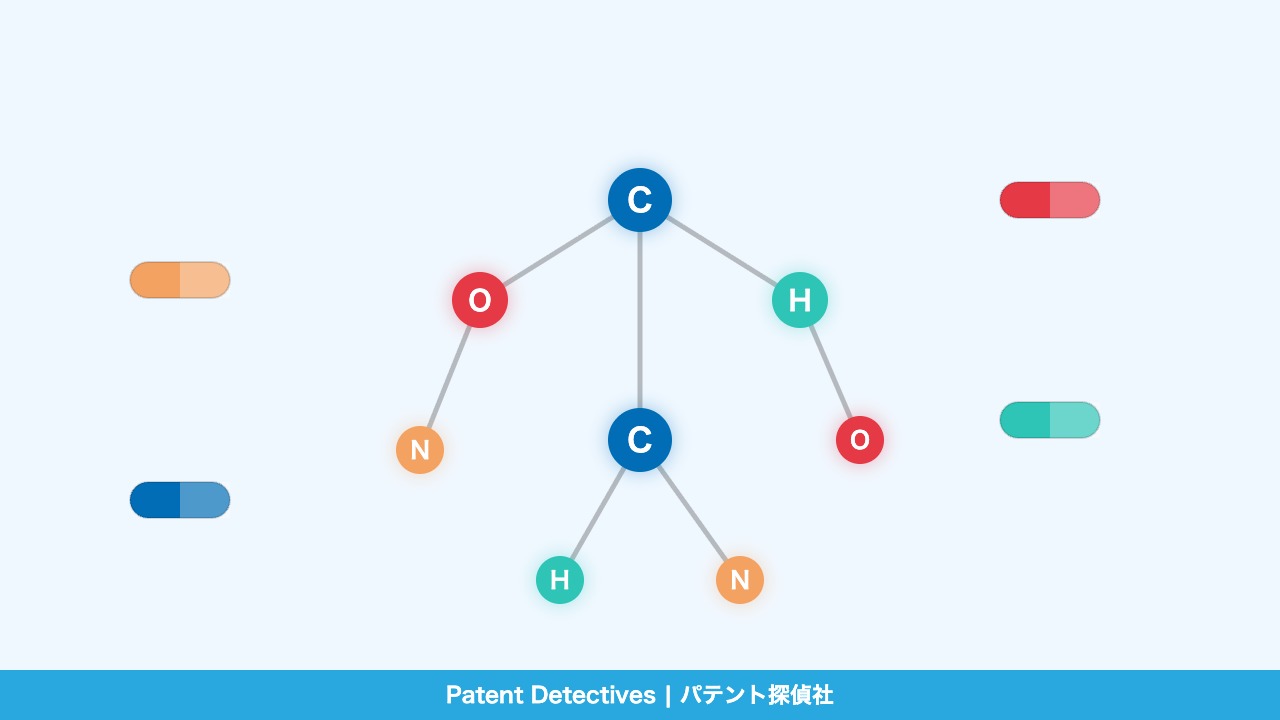
When a pharmacist offers a generic alternative, the question many patients ask is: if it contains the same active ingredient, why is it so much cheaper? The answer is pharmaceutical patent law.
How Drug Patents Work
A drug patent grants 20 years of exclusivity from filing date, allowing recovery of R&D costs — typically $1-2 billion per approved drug. When the patent expires, generic manufacturers can produce the same active ingredient without licensing fees, reducing prices by 80-90%. Reference: WTO: TRIPS Agreement.
The Patent Cliff and Evergreening
When Pfizer’s Lipitor patent expired in 2011, generics captured ~80% of the market within months. Companies counter with “evergreening” — filing new patents on formulations or dosages before core patents expire. Critics say this delays generic competition artificially. Supporters note it funds continued development.
Patents, Prices, and Public Health
The tension between patent exclusivity and patient access is one of the most contested issues in IP policy. TRIPS Article 31 allows compulsory licensing in public health emergencies. The COVID-19 vaccine patent waiver debate brought this tension into sharp global focus.
For informational purposes only. Not legal advice.

コメント