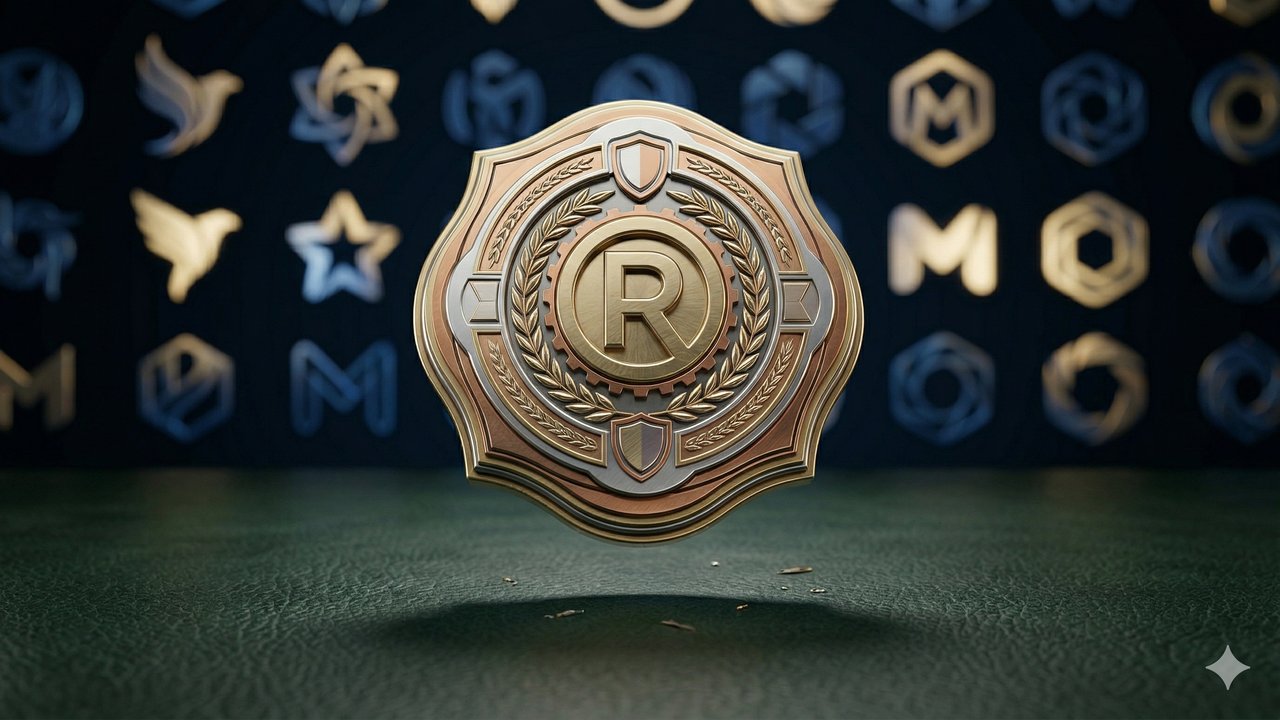
The U.S. luxury jewellery and apparel brand Chrome Hearts on May 14, 2026 voluntarily dismissed its trademark infringement suit against Canadian-American musician Neil Young and the members of his backing band “The Chrome Hearts.” Filed the previous year, the suit targeted Young’s use of the same name in performances and merchandise since 2024. Billboard, Rolling Stone and other music industry publications reported the dismissal the same day.
Chrome Hearts’ filing did not indicate whether the case ended in a settlement or was simply dropped. Young, for his part, has shown no sign of changing the band’s name: a live album under “The Chrome Hearts” name is set to release later this month, and the band has reportedly finished recording its second studio album under the same banner.
The Brand’s Claims
Founded in Los Angeles in 1988, Chrome Hearts is a jewellery, leather goods and apparel brand known for sterling silver accessories and cross motifs. The company asserted that it had used “Chrome Hearts” as a trademark since 1988 and argued that Young’s band using the identical name would infringe its registered marks in apparel, jewellery and accessories, and would create a likelihood of consumer confusion.
A specific concern was that Young’s tour merchandise carried the wording “Neil Young and the Chrome Hearts.” Artist merchandise is a key revenue stream around touring and album releases, and Chrome Hearts saw merch-driven overlap with its core apparel market as the principal conflict.
“Band Name” vs. “Fashion Brand”: A Recurring Conflict
Disputes between musical-performance names and apparel trademarks are familiar territory in U.S. trademark law. Infringement turns on a multi-factor analysis of similarity of goods and services, audience overlap, and likelihood of confusion. Class 25 (clothing and accessories) and Class 41 (entertainment services) have historically been treated as distinct, but artist merchandise lives within the apparel class and so increasingly creates direct overlap.
Recent years have seen further blurring of the line between musicians and apparel brands. Travis Scott, Kanye West, and BTS have moved into apparel, while Chrome Hearts, Supreme and Off-White have leveraged collaborations and music-event presence to grow their cultural relevance.
Young’s Position and What Comes Next
Born in 1945, Neil Young is a two-time Rock and Roll Hall of Fame inductee best known for songs such as “Heart of Gold” and “Old Man.” He debuted “The Chrome Hearts” as a new backing band in 2024 and continued to use the name after the lawsuit was filed.
The parties have not publicly explained the dismissal. One possible factor is the reputational risk for the fashion brand of a drawn-out fight against a high-profile musician, set against entertainment industry norms in which band names are often freely drawn from song titles, lyrics and unrelated cultural references.
Absent further enforcement steps (such as opposition or cancellation proceedings at the Trademark Trial and Appeal Board, or a separate suit in another forum), Young and his bandmates can continue performing and selling merchandise under “The Chrome Hearts.” Voluntary dismissals can be filed with or without prejudice, and it is not yet publicly clear whether a longer-term coexistence understanding underlies the move.
この記事について
パテント探偵社 編集部
知的財産の世界で起きている出来事を、ジャーナリズムの手法で報道・分析する独立メディア。特許番号・法的根拠・当事者名を正確に記述しながら、専門家以外にも読みやすい記事を届けています。掲載内容は法的アドバイスではありません。


コメント